Roofing Upgrade: Signs It’s Time for a New Roof
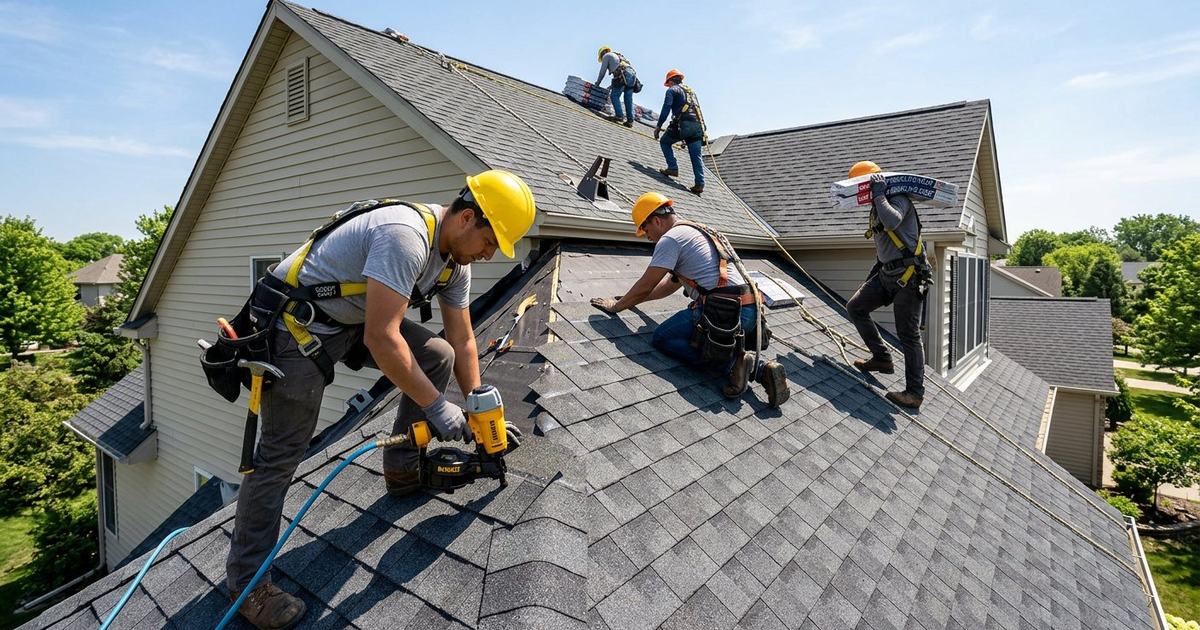
Your roof is one of the most critical components of your home's structure, protecting everything inside from the elements and contributing significantly to your home's overall value and curb appeal. However, many homeowners don't think about their roofs until a serious problem develops, at which point replacement becomes urgent and expensive. Understanding the signs that indicate it's time for a roofing upgrade can help you make a proactive decision before costly damage occurs. Whether your roof is showing its age or you've experienced severe weather, knowing when to replace it is essential for maintaining your home's integrity and protecting your investment. This guide will help you identify the key indicators that suggest your roof needs professional attention and replacement.
The age of your roof is perhaps the most straightforward indicator of whether replacement is necessary. Most asphalt shingle roofs, the most common type in residential homes, have a lifespan of 15 to 25 years, depending on climate, maintenance, and installation quality. Metal roofs typically last 40 to 70 years, while wooden shake roofs last about 20 to 40 years. If your roof is approaching or has exceeded its expected lifespan, it's wise to start planning for replacement even if it doesn't show obvious signs of damage. The age of your roof is typically documented in your home's purchase paperwork or can be determined by a professional roofing inspector. As roofs age, they become increasingly vulnerable to leaks and weather damage, making replacement a prudent preventive measure rather than waiting for emergency repairs.
Visible damage to your roof shingles is a clear sign that replacement may be necessary. Look for shingles that are cracked, bent, curled, or missing entirely, as these compromised shingles no longer provide adequate protection against water infiltration. Bald spots where the protective granule coating has worn away are also concerning, as they indicate accelerated deterioration. If you notice a significant number of damaged shingles scattered across multiple areas of your roof rather than isolated spots, this suggests widespread wear that typically warrants full replacement rather than patch repairs. You can safely inspect your roof from the ground using binoculars, or hire a professional to conduct a thorough inspection from above. Pay special attention to areas that receive the most sun exposure and weather impact, as these sections tend to deteriorate faster than others.
Water stains and leaks inside your home are red flags that your roof's protective barrier has been compromised. If you notice dark stains on your ceiling or walls, particularly after heavy rain or snow, water is finding its way through your roof into your home's interior. Mold or mildew growth in your attic is another indicator of roof leaks, as moisture is accumulating where it shouldn't be. While some leaks can be patched if they're isolated to a small area, multiple leaks or water damage in several rooms often indicate that your roof's overall integrity has deteriorated. Ignoring roof leaks can lead to structural damage, insulation problems, and costly interior repairs, so addressing them promptly is crucial. If you're experiencing frequent leaks despite past repairs, it's usually more cost-effective to replace the roof than to continue patching it.
Sagging or structural issues with your roof are serious warning signs that require immediate attention. If you notice that your roofline sags or dips in certain areas, this suggests that the underlying structure may be compromised by water damage or wood rot. Sagging can occur when water has infiltrated the decking beneath the shingles, causing the wood to weaken and lose its structural integrity. This is a safety concern that goes beyond cosmetic issues, as a severely compromised roof could potentially collapse. If you suspect structural problems, contact a professional roofing contractor immediately for inspection. Addressing sagging early, before the damage becomes severe, often allows for targeted repairs, but extensive sagging typically requires full roof replacement to ensure your home's safety and stability.
Granule loss and weathering are subtle but important signs of roof deterioration. After heavy rain or while cleaning gutters, check for an excessive accumulation of dark granules that have washed off your shingles. These granules protect the underlying asphalt from UV rays and weather damage, so significant loss indicates your roof is aging and becoming more vulnerable. Additionally, examine your roof's overall appearance for signs of weathering, such as discoloration, fading, or moss and algae growth. While some weathering is cosmetic, it can also indicate that moisture is accumulating on your roof's surface. In areas with high humidity or shade, algae and moss growth can trap moisture against the shingles, accelerating deterioration. If your roof is showing multiple signs of weathering and granule loss, replacement is likely a worthwhile investment.